

Waterproofing is a crucial aspect of maintaining the stability and durability of every home or structure. As a property owner looking to protect your investment from the adverse effects of water or a contractor trying to create long-lasting developments, understanding how to select the appropriate waterproofing materials is important. Water damage can lead to high repairs, mold issues , and significant problems, rendering effective waterproofing a necessity for all homeowners.
In this definitive manual, we will review the many elements of waterproofing, from identifying the signs that your home needs waterproofing to grasping the variations between indoor and outdoor methods. We will also look into the widespread fallacies surrounding waterproofing, helping you to make educated choices. With the proper information and products, you can protect your home from moisture-related problems and save yourself significant sums in subsequent repairs.
Recognizing the Significance of Moisture Protection
Moisture-proofing is crucial for any building as it protects structures from moisture damage, which can lead to significant restoration costs and considerable loss of property value. Moisture seepage does not only pose a risk to physical integrity but also to the health of occupants, as moisture can cause mold and fungi growth. By utilizing Visit this page , property owners can create a strong defense against the harmful effects of water.
Ignoring waterproofing can be a financially burdensome mistake. The concealed damage from water intrusion can lead to large-scale repair bills that far outstrip the upfront expenditure in waterproofing materials and services. For instance, neglected moisture issues in basements can compromise the foundation, resulting in major structural problems. Thus, understanding the essential nature of waterproofing can protect you thousands of dollars in the time ahead.
Moreover, waterproofing adds to energy savings in buildings. When exteriors, roofs, and basements are sufficiently waterproofed, they help maintain consistent indoor temperatures, reducing the need for excessive heating or cooling. This not only decreases power expenses but also boosts comfort levels. Furthermore, a carefully shielded property is more resilient in harsh weather conditions, ensuring lasting safety for your investment.
Key Factors In Terms Of Choosing Waterproofing Products
As you choosing waterproofing products, the primary key consideration is the specific area you need to protect. Different surfaces, such as basements, ceilings, and washrooms, have unique needs. As an example, basement waterproofing often requires solutions that can tolerate hydrostatic pressure, while roof waterproofing requires products that resist UV damage and temperature fluctuations. Determining the exposure levels and humidity conditions of the area will help in selecting the most effective product.
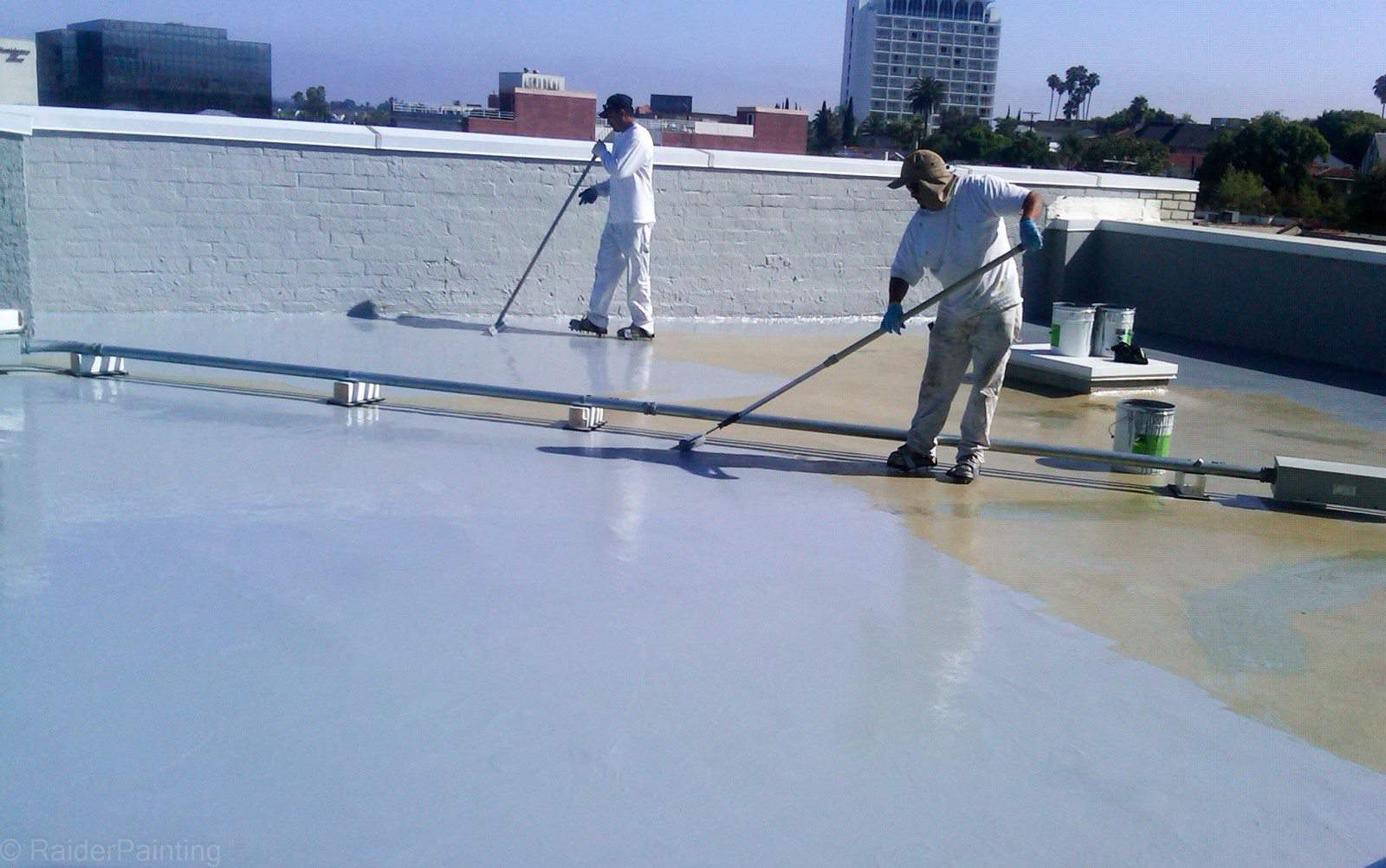
Another important factor is the kind of materials used in the waterproofing solution. Look for high-quality materials that offer strength and longevity. french drain installation as, membranes and coatings should be adaptable enough to absorb building movement while maintaining a robust barrier against water infiltration. Additionally, consider if you prefer a solvent-based, water-based, or cementitious product, depending on the desired application and ecological impact.
In conclusion, the ease of application is crucial. Some waterproofing products are designed for DIY use, while others may need professional installation. Think about your skill level and whether you have the tools needed for the job. It’s also smart to assess the manufacturer’s instructions and recommendations regarding application conditions, such as temperature and humidity, to ensure optimal performance.
Common Waterproofing Methods and Strategies
When it comes to protecting your home from liquid damage, there are several successful waterproofing techniques to think about. One popular approach is the application of impermeable membranes, which create a barrier that prevents liquid from penetrating materials such as basements, partitions, and ceilings. These membranes can be fabricated from multiple materials, including rubber, bitumen, or PVC, and are appropriate for both interior and outside applications. Correct installation is vital to ensure that these membranes operate effectively, thus safeguarding your property from seepage and infiltration.
Another effective technique is the use of sealant materials and coatings. These products are coated immediately to areas and act as a protective layer against moisture. For instance, waterproofing paints can be applied to walls and roofs to prevent fungus and mildew growth development, particularly in bathrooms and cooking areas. Also, elastomeric coatings are excellent for flat roofs, providing flexibility and durability to withstand harsh weather conditions while preventing liquid out. Selecting the right sealant for each individual area of your house is crucial to ensure durability and maximized protection.
For external structures, consider installing drainage solutions and downspouts to redirect water away from your home. Trenches, submersible pumps, and channel drains can successfully reduce the risk of liquid accumulation around bases and basements. Alongside with proper grading of the landscape, these drainage system limit the chance of penetration. Implementing a comprehensive approach with these methods ensures long-lasting protection against moisture issues, ultimately saving you from expensive repairs in the future.