

Waterproofing plays a vital role in maintaining the integrity and efficiency of homes and buildings. As https://williford-harper.hubstack.net/waterproofing-the-external-spaces-the-comprehensive-resource can infiltrate structures from various sources, such as rain, melting snow, or soil moisture, the significance of correct waterproofing cannot be overlooked. Many homeowners and property managers often overlook this crucial aspect of construction, believing that it is merely a preventive measure rather than a core part of sustainable design.
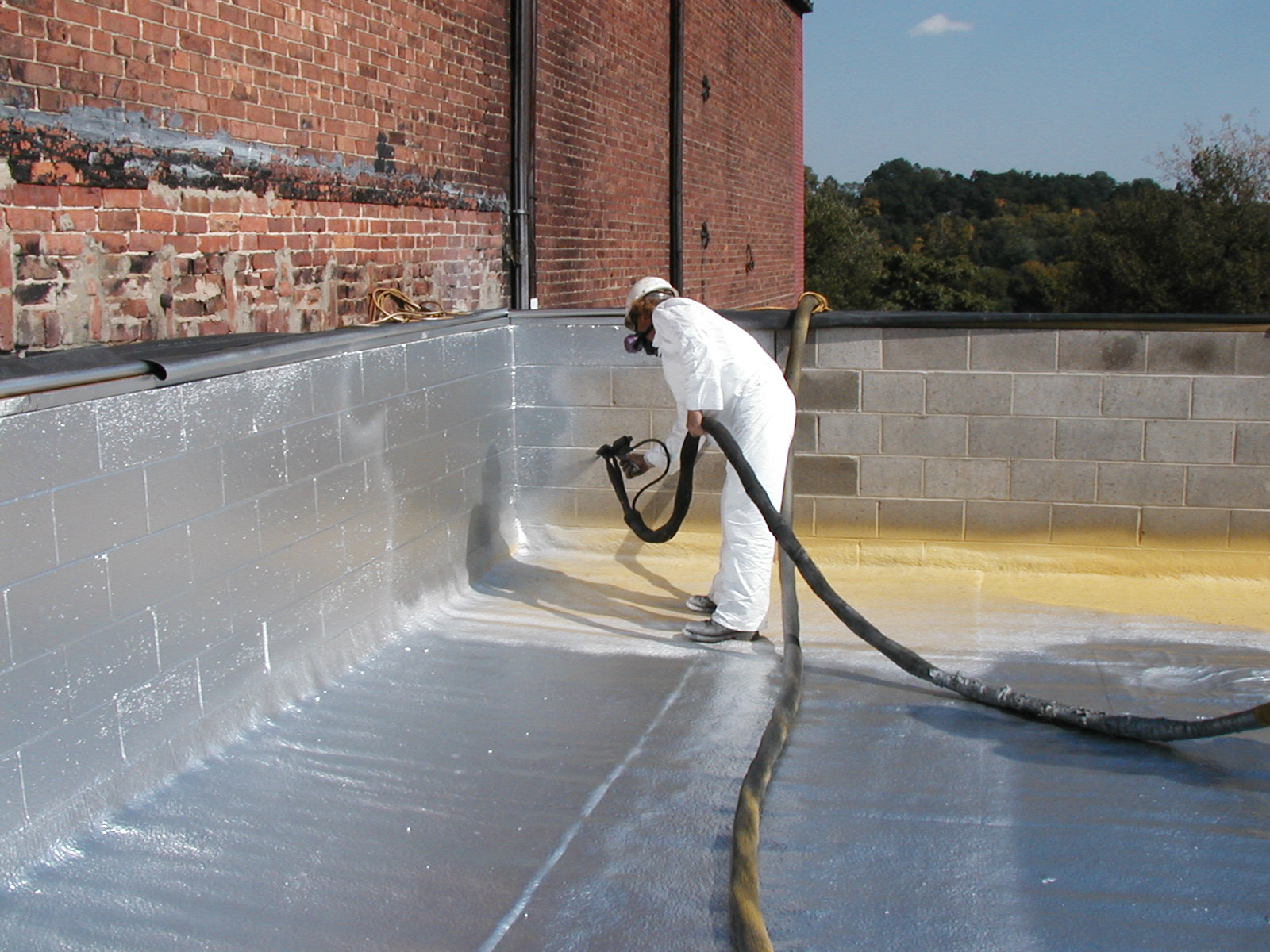
When it comes to energy savings, waterproofing helps to create a shield that keeps harmful moisture out, preventing deterioration to insulation and reducing energy waste. A properly waterproofed building can maintain stable indoor temperatures, ultimately leading to reduced energy bills and enhanced comfort. By investing in robust waterproofing solutions, property owners not only protect their investment but also aid to eco-friendly construction practices. Understanding how waterproofing influences the overall performance of a property is vital for making educated decisions about maintenance and improvements.
### The Importance of Waterproofing for Energy Efficiency
Waterproofing is essential for improving the energy efficiency of residential and commercial structures. A properly waterproofed property prevents water from intruding, reducing dampness and mold growth, which compromises indoor air quality and increases energy needs for temperature and humidity control. By keeping the space dry, waterproofing reduces the workload on HVAC systems, allowing them to operate more efficiently and consume less energy.