

Water-proofing is a vital aspect of home and building maintenance that often goes overlooked, but its significance cannot be overemphasized. Whether https://notes.io/wZ3bw 're a property owner looking to safeguard your investment or a commercial owner safeguarding your commercial property, grasping waterproofing systems is key in preventing costly water damage and enhancing longevity. From residential basements to commercial rooftops, efficient waterproofing can save you thousands in repairs, as well as provide peace of mind knowing that your property is protected against humidity issues.
In this guide, we will examine how to maintain your waterproofing systems properly, debunk common myths surrounding waterproofing, and emphasize the key areas that require attention, such as cellars, restrooms, and rooftops. With the proper knowledge and tools, you can ensure your property remains safe from water damage, mold, and other unpleasant effects of excess moisture. Equipped with this information, you will be better prepared to identify the signs that waterproofing is necessary before it's too late, making smart decisions that will safeguard your investment for years to come.
Why Waterproofing is Essential for Home Upkeep
Sealing against water is a crucial component of home maintenance that safeguards your property from the harmful effects of moisture. Water infiltration can lead to serious issues such as the development of mold, structural damage, and the degradation of building materials. By utilizing waterproofing, homeowners can protect their investment and ensure a healthier living environment. Ignoring waterproofing can lead to costly repairs down the line, making it a vital consideration for all homeowner.
In addition to staving off water damage, proper waterproofing enhances the overall durability and longevity of various structures in your home. This includes cellars, roofs, and external walls, where water can easily get inside if not properly sealed. Regular maintenance of waterproofing systems can aid you prevent extensive renovations, thereby saving you thousands of dollars in repair costs. Moreover, a well-maintained waterproofing system can contribute to energy efficiency by lowering moisture levels that may affect heating and cooling systems.
Finally, waterproofing supports the stability of your home’s foundation, which is crucial for stability and safety. A compromised foundation due to water damage can lead to significant structural issues, making it crucial to address waterproofing needs proactively. Homeowners should consistently assess their property's waterproofing needs, acting quickly at the first signs of wear or moisture intrusion. By prioritizing waterproofing in home maintenance, you are not just protecting your home from short-term threats but also investing in its sustained health and value.
Choosing the Right Waterproofing Method
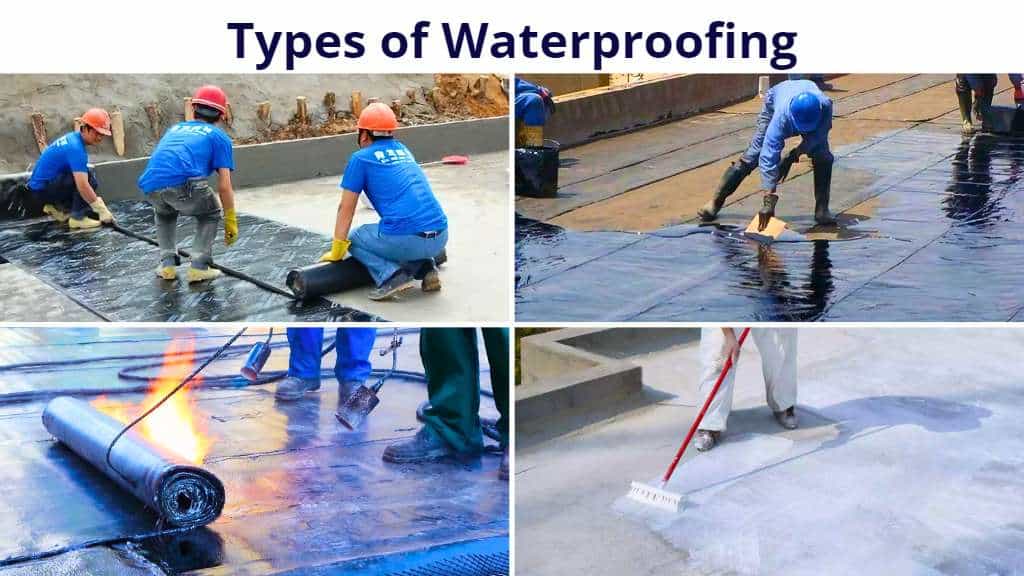
Selecting the appropriate method of waterproofing for your home is crucial to effectively prevent damage from water. Different areas of your property, such as basements, roofs, and exterior surfaces, may need particular techniques to ensure optimal protection. Take into account the specific conditions of each space, such as exposure to moisture, pre-existing damage, and local climate factors. This awareness will guide you in choosing between interior or exterior waterproofing options, as well as whether to opt for a DIY approach or employ a professional.
Interior waterproofing methods mostly focus on preventing water from infiltrating through walls and floors. This usually involves sealants, drainage systems, and sump pumps. Conversely, exterior waterproofing methods are crafted to prevent water before it enters your home. This may entail using waterproof coatings, installing french drains, or sloping the landscape away from the foundation. Assessing the nature of your water problems will guide you in deciding which method is better for your requirements.
It's also crucial to consider the long-term consequences of your decision. While DIY methods may appear cost-effective initially, they can sometimes lead to more serious issues later if not executed correctly. Hiring a qualified waterproofing contractor can ensure the job is completed properly, potentially saving a significant amount in repairs. Ultimately, the appropriate waterproofing method will rely on a thorough evaluation of your property's needs and your budget for the project.
Typical Waterproofing Mistakes to Steer Clear Of
One of the most critical mistakes homeowners make is failing to assess the particular needs of their property before utilizing waterproofing solutions. Many people believe that all waterproofing products or techniques are universally effective, but this is not the case. All building has distinct characteristics and vulnerabilities that require specialized solutions. Failing to conduct a thoroughgoing inspection can lead to insufficient protection, resulting in costly water damage down the line.
Another typical error is engaging in DIY waterproofing without proper knowledge or experience. While there are many products promoted for easy application, improper techniques can lead to more harm than good. Homeowners often disregard essential steps, such as surface preparation, which can compromise the bonding of waterproofing materials. It is important to follow manufacturer instructions carefully or consider hiring specialists when the project requires expertise.
Lastly, ignoring regular maintenance is a mistake that many overlook. Waterproofing is not a single fix; it requires regular inspection and upkeep to ensure its efficacy. Seasonal checks can help identify any deterioration, enabling timely repairs before considerable damage occurs. Regular maintenance prolongs the lifespan of waterproofing systems and protects your investment in both the immediate and distant term.