

Amidst city areas, in which space is at a high demand and the weather can be unforgiving, efficient waterproofing methods are essential for upholding the integrity of properties. Water leakage not only threatens the architectural integrity of buildings but also leads to a host of expensive issues, ranging from mold growth to base damage. As a property owner, comprehending the necessity of comprehensive waterproofing strategies can spare you countless dollars in repair costs and guarantee your living environment remains secure and cozy.
This piece discusses novel waterproofing techniques catered for urban homes, immersing into the basics of why waterproofing is necessary and what you need to understand to protect your house. french drain installation will debunk common fallacies, identify signs that your home might require prompt action, and walk you through both DIY solutions and professional options. Whether Aluneed basement waterproofing defending your cellar from water damage or making sure your roof is equipped to withstand the weather, we've got you supported with the definitive manual to modern waterproofing techniques.
A Essentials of Waterproofing: The Guide
Moisture protection is a crucial procedure for protecting houses and structures from moisture intrusion. It involves methods and substances made to prevent water penetration, thereby safeguarding the integrity of structures and improving overall strength. Neglecting Aluneed basement waterproofing can lead to severe problems like mold development, foundation damage, and expensive repairs. Comprehending the need of waterproofing is the first step towards ensuring a safe and wholesome home environment.
The process of waterproofing differs depending on the location and specific needs of a property. Key areas that commonly need attention include basements, ceilings, walls, and outdoor structures. Each area has distinct considerations and challenges that must be tackled to successfully prevent water from infiltrating. This makes it crucial to assess the specific requirements of a home and apply specific waterproofing strategies.
Putting money in waterproofing doesn't just safeguard a home but also adds to its energy effectiveness. Effective waterproofing can improve thermal insulation, lower heating and cooling costs, and encourage healthier indoor air quality by mitigating moisture issues. Clearly, waterproofing is not just a preventive measure—it is an integral aspect of responsible property management that can save money and improve the living conditions for occupants.
Comparative Analysis: DIY vs. Expert Waterproofing
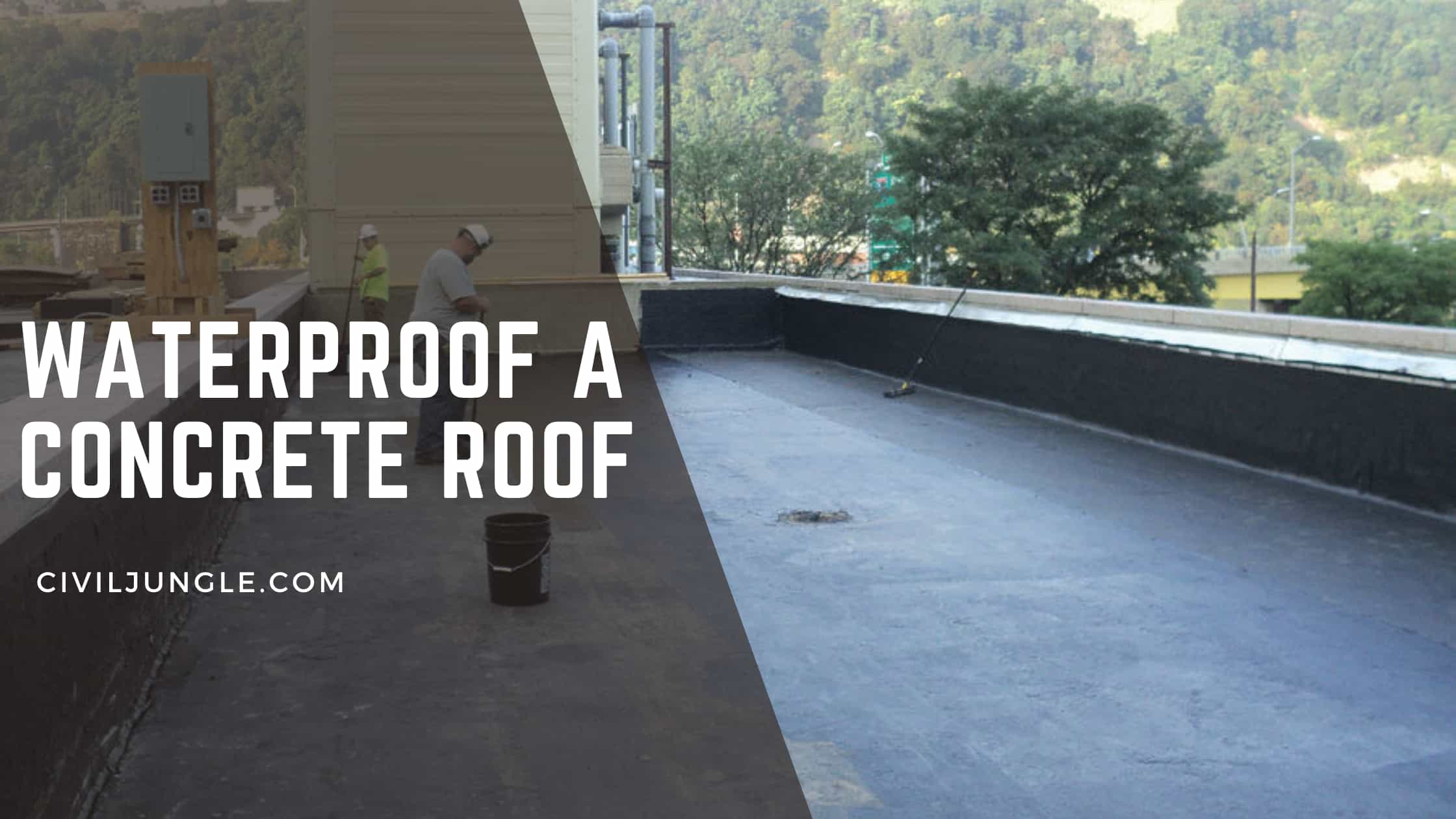
When considering waterproofing options, homeowners often weigh the pros of taking on the project independently against contracting experts. Do-It-Yourself waterproofing can be attractive due to potential cost reductions and the satisfaction of completing a project on their own. Many homeowners experience success in small-scale areas, such as bathrooms or patios, using readily available waterproofing products. However, this approach requires a significant investment of time and effort, along with a desire to understand the details of proper techniques to avoid common mistakes that could lead to inadequate protection.
On the flip side, professional waterproofing solutions bring knowledge and skill to the table. Experts are typically well-versed in various waterproofing techniques and products, ensuring the job is done efficiently and properly. They can accurately assess the specific needs of your property, spot potential issues, and implement thorough solutions that Do-It-Yourself approaches might miss. Although this option involves higher initial costs, it may save property owners from expensive repairs down the line due to water damage that resulted from incorrect installation.
In the end, the decision between DIY and professional waterproofing hinges on factors such as the complexity of the job, the homeowner's skill level, and their budget. For small repairs or upkeep, DIY methods might be sufficient, but for larger scale projects or areas prone to substantial water intrusion, committing to professional services could provide extra peace of mind and long-lasting results. Choosing the appropriate approach is essential to ensuring optimal protection against water damage for city homes.
Extended Benefits of Efficient Waterproofing Methods
Investing in effective waterproofing solutions provides a variety of lasting advantages for urban homes and buildings. One of the most significant benefits is the prevention of costly moisture damage restorations. Excessive moisture can lead to structural integrity problems, mold growth, and harm to belongings, which can build up over the years. By addressing waterproofing effectively, homeowners can save thousands of dollars that would otherwise be spent on extensive restoration work and rehabilitation.
Another vital advantage of adequate waterproofing is the increase of property worth. Homes and properties that are well-maintained and free from water damage are more appealing to potential buyers. A property with sound waterproofing practices in effect indicates to buyers that the structure has been cared for, making it more probable to retain its worth or even increase over time. This is particularly important in competitive city real estate markets where first impressions can greatly influence sale prices.
Effective waterproofing approaches also contribute to improved energy efficiency. Water and leakage can compromise insulation, resulting to higher heating costs and cooling costs. By preventing water ingress and ensuring a dry setting, waterproofing helps to improve a building's overall energy efficiency. This not just reduces utility bills but also supports sustainable initiatives, matching with the increasing emphasis on green building and home maintenance.