

As you embark on new construction, many consider the design elements and structural integrity of the building. Nonetheless, neglecting waterproofing can lead to serious consequences that may not surface until later on. Proper waterproofing is critical for every home and commercial building because it protects against water damage, which can compromise your property value, lead to expensive repairs, and create an unwholesome living environment.
Grasping the different facets of waterproofing is crucial for homeowners and builders alike. From selecting the right waterproofing products to determining whether to take a DIY approach or hire professionals, having a strong understanding of waterproofing strategies can save thousands in potential repairs. This guide will explore all you should understand about waterproofing, including why it matters, the signs that suggest your property may need attention, and the best techniques to ensure your new construction remains dry and protected for years to come.
Comprehending the Value of Moisture Protection
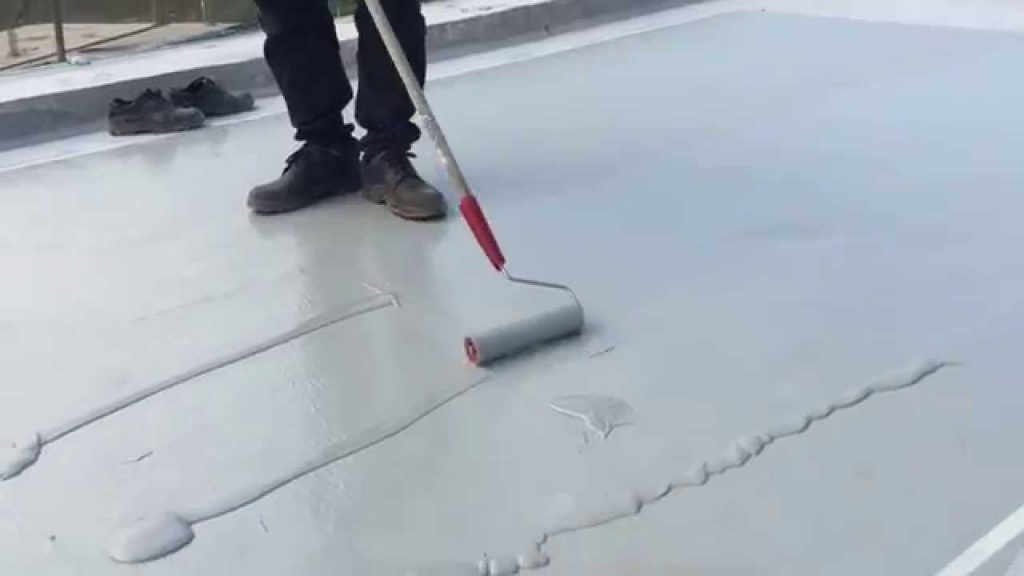
Waterproofing is a essential aspect of every new construction project, safeguarding structures against the damaging effects of water infiltration. Water can seep into foundations, walls, and ceilings, leading to a series of issues including fungal infestation, compromise to the structure, and high repairs. Ensuring proper waterproofing from the outset not only protects the integrity of the building but also increases its durability and worth over the years.
Ignoring the importance of waterproofing can lead to serious financial consequences. Click here associated with moisture damage repairs can increase quickly, often amounting to thousands of dollars. This makes investment in high-quality waterproofing systems a smart decision for homeowners and contractors alike. Proper waterproofing practices can essentially save funds in the long run by reducing the risk of major repairs and maintenance.
Furthermore, moisture protection plays a key role in creating a healthy living environment. Wet and moisture-laden areas are breeding grounds for mold and mould, which can compromise indoor air quality and pose risks to health to inhabitants. By emphasizing waterproofing in new construction, builders and property owners can create areas that are not only long-lasting but also encourage a secure and pleasant atmosphere.
Frequent Moisture-Proofing Approaches and Solutions
In the realm of effective waterproofing, several techniques can be applied to protect a structure from moisture harm. One common method is the implementation of waterproofing membranes, which are sheets or liquid coatings that create a shield against moisture. These membranes can be used to walls, foundations, and roofs, providing a continuous layer of protection. Additionally, sheet membranes are frequent in areas prone to heavy water exposure, such as basements and balconies, ensuring that water does not breach vital structural elements.
Another effective waterproofing solution is the implementation of drainage systems, such as French drains or sump pumps. These systems redirect water away from the foundation, lowering the risk of flooding and water accumulation. Proper drainage is crucial in maintaining the strength of buildings, particularly in regions with heavy rainfall or poor soil drainage. By implementing these systems in conjunction with waterproofing membranes, homeowners can substantially reduce water damage risks.
In addition to membranes and drainage solutions, the deciding of appropriate waterproofing coatings is crucial for areas like bathrooms and kitchens. Waterproof paints and sealants are designed to repel moisture, stopping mold and mildew growth. Moreover, specialized products for tile waterproofing can safeguard floors and walls from moisture penetration. Choosing effective waterproofing products ensures durability and effectiveness, ultimately safeguarding your investment and improving the comfort of your living spaces.
Choosing the Right Approach for Your Home
When considering waterproofing for your home, it is crucial to assess your individual needs and the attributes of your home. Each house presents individual challenges, whether it is a basement prone to water intrusion, a flat roof that retains water, or outdoor structures exposed to the weather. Understanding these considerations will help you figure out whether indoor or exterior waterproofing methods would be most effective. Consulting with a expert can also provide insights tailored to your situation, ensuring you make educated decisions.
Another important aspect to consider is whether to take the DIY route or hire expert services. Do-it-yourself waterproofing can be economical, especially for minor projects or maintenance tasks. However, professional waterproofing services often ensure long-lasting results and apply technical techniques that can significantly minimize the risk of water damage. Reviewing the advantages and cons of each option is crucial, as the appropriate choice can save you work, possibly thousands in repairs down the future.
Finally, spending in the top waterproofing products available will yield the best results. Researching and picking top-grade materials, such as reputable coatings and sealants, will enhance the effectiveness of your waterproofing projects. Look for products designed specifically for your intended application—be it roofs, bathrooms, or driveways—ensuring they meet regulatory guidelines. By prioritizing quality in your waterproofing plan, you can create a durable barrier against moisture, preserving your home’s integrity and safeguarding your financial stake.