

Waterproofing solutions is an important aspect of upholding the stability and longevity of any house or building. Without proper waterproofing, structures are prone to moisture issues, mold growth, and foundation problems that can lead to expensive fixes. As the saying goes, prevention is better than cure, and recognizing how to notice waterproofing failures early can help you avoid a fortune in unnecessary expenses down the line. In this guide, we will explore the key signs and symptoms of waterproofing issues, ensuring you can act before it's too far gone.
Whether you are a homeowner or managing a commercial property, being mindful of the risk for water infiltration is essential. From ceilings and basements to restrooms and outdoor spaces, every area of a property can face waterproofing challenges. By recognizing the early warning signs, you can tackle them immediately and adopt effective solutions tailored to your specific needs. Come along as we investigate the world of waterproofing, equipping you with the information to safeguard your property and keep a protected, dry environment.
Key Factors of Moisture Protection
Waterproofing is a fundamental aspect of maintaining the soundness of any structure, be it a residential or a business building. It serves as a protective barrier against moisture intrusion, capable of lead to serious damage, including mold growth, structural weakening, and costly repairs. Understanding why waterproofing is important for every home and building allows homeowners and landlords to take early measures in safeguarding their properties.
One of the key goals of waterproofing is to keep water from entering cellars, foundations, and additional sensitive areas. This entails a careful assessment of potential water sources, such as precipitation, subsurface water, and even plumbing leaks. By recognizing signs that your property needs waterproofing early on, you can tackle issues promptly, thereby saving considerable sums in repairs. Implementing effective waterproofing solutions can enhance the longevity and security of your property while providing assurance.
In addition, choosing the appropriate waterproofing method—whether interior or exterior—is essential for lasting effectiveness. wet basement Toronto has its advantages and is tailored for different situations. Moreover, comprehending common waterproofing misconceptions, such as false beliefs about DIY versus professional solutions, can help property owners make informed decisions. Ultimately, investing in proper waterproofing not only protects physical assets but also enhances energy efficiency and advances sustainable building practices.
Determining Waterproofing Requirements
To successfully identify waterproofing needs in your house or edifice, commence by assessing zones frequently subjected to moisture. Inspect basements, restrooms, cooking areas, and ceilings for any evidence of water damage. Be on the lookout for stains on partitions or ceilings, mold growth, or peeling paint, as these issues can be indicators of existing leaks or inadequate waterproofing. Regularly check these spaces, especially after significant rain or flooding, to catch potential concerns early.
Furthermore, pay attention to the external environment surrounding your building. Ensure that gutters and down pipes are in excellent condition and leading water away from the foundation. If water accumulates around your property during rain, this can lead to serious waterproofing concerns. Inspect your landscaping to ensure suitable grading, which should encourage water to flow away from your home rather than into it.
In conclusion, consider the age of your waterproofing systems. sump pump installation over time, and what may have worked effectively in the past may no longer provide sufficient protection. Knowing when to review and improve your waterproofing systems can avert costly repairs down the line. Be diligent in maintaining waterproofing measures to defend your building from water damage.
Selecting Waterproofing Methods
When deciding on the best waterproofing solution for your property, it is important to consider the specific needs of your space. Factors such as weather, building design, and the kind of water exposure will influence the most effective method. For instance, homes in areas with heavy rainfall may call for stronger exterior solutions, while properties with leaky basements might gain more from interior waterproofing techniques. Evaluating these aspects will guide you to the most suitable waterproofing option.
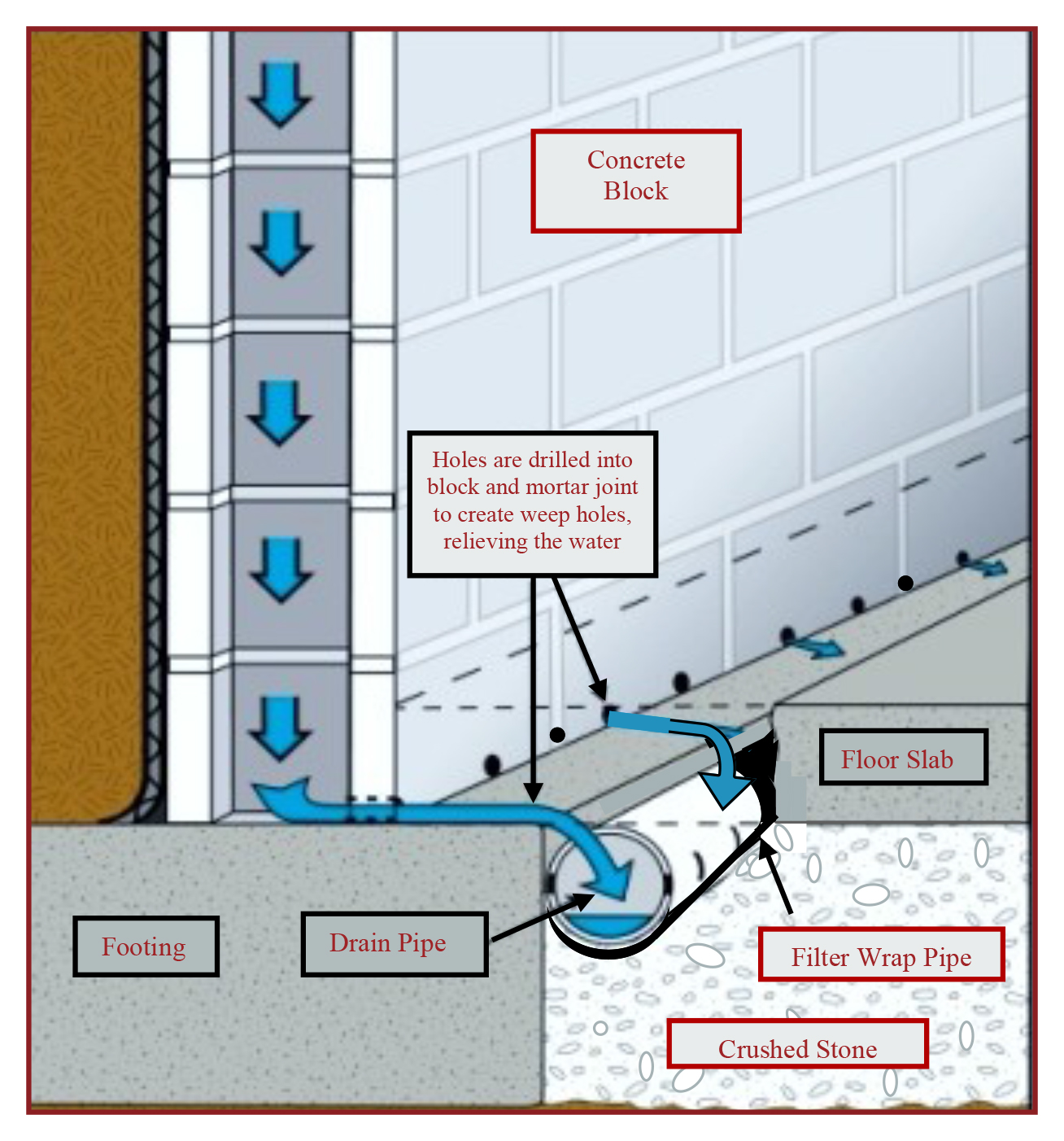
You also must consider the advantages and cons of DIY versus professional waterproofing. Though DIY methods can conserve some money, they frequently lack the effectiveness of a professional installation. Professionals can provide skills in spotting potential issues and utilizing state-of-the-art techniques that might not be accessible to a novice. Researching different contractors and assessing their background and customer reviews is crucial in making an wise decision.
In conclusion, don’t dismiss the long-term implications of your choice. High-quality waterproofing solutions may need a larger upfront investment, but they will in the end save you thousands in repairs and maintenance costs in the long run. Taking the time to evaluate warranties, product quality, and the collective reputation of waterproofing materials can ensure that you opt for a reliable and effective solution to protect your property from moisture.